Home
DONARE
  • German
  • English

Main navigation

  • Home
    • Humanitarian Crisis Relief
    • Children in Need
    • Hunger and Food Insecurity
    • Refugees and IDPs
    • Medical Humanitarian Aid
    • Faith-Based Humanitarian Organizations
    • Vulnerable Groups
    • Human Rights Organizations
    • Climate Crisis and Climate Change
    • US Organizations
    • UK Organizations
    • Canadian Organizations
    • Australian Organizations
    • Directory
    • Emergency Appeals
  • News
    • All headlines
    • News Monitor
    • Articles
    • Mental health in humanitarian emergencies
    • Millions will die because of brutal funding cuts
    • Donate for humanitarian causes
    • Climate change & humanitarian crises
    • Humanitarian action is needed now
    • Humanitarian aid & human rights
    • The world's largest economies must do more
    • Why I donate to CERF
    • Thank you
    • How to write to a Member of Parliament
    • Reputable donation organizations in the United States
    • Earmarked or unearmarked donations
  • Background
    • Humanitarian Emergencies
    • Key Players in Humanitarian Aid
    • Forgotten Crises
    • Where does your money go?
    • Largest Humanitarian Donors
    • Websites for Experts and Professionals
    • Information for Journalists
    • Humanitarian Jobs
    • Glossary
    • Frequently Asked Questions (FAQs)
  • Ways to Help
    • Start a Fundraiser
    • Hold Your Government to Account
    • Volunteering in Humanitarian Aid
    • Start a Petition or Sign a Petition
    • Sponsor a Child
  • About us
    • Welcome to DONARE
    • Principles and guidelines
    • Donare means donate
    • FAQs about DONARE
    • Support us
    • Archive
    • Content
    • Tags
    • Topics
    • Contact

Breadcrumb

  1. Humanitarian News

Ethiopia: WFP warns of rising hunger and malnutrition

By Simon D. Kist, 23 April, 2025

Hunger and malnutrition are on the rise in Ethiopia as ongoing conflict, regional instability, displacement, drought and economic shocks leave millions without enough food, the United Nations World Food Programme (WFP) said on Tuesday. WFP warned that its life-saving response has been severely hampered by critical funding shortfalls, with 3.6 million of the most vulnerable people at imminent risk of losing food assistance.
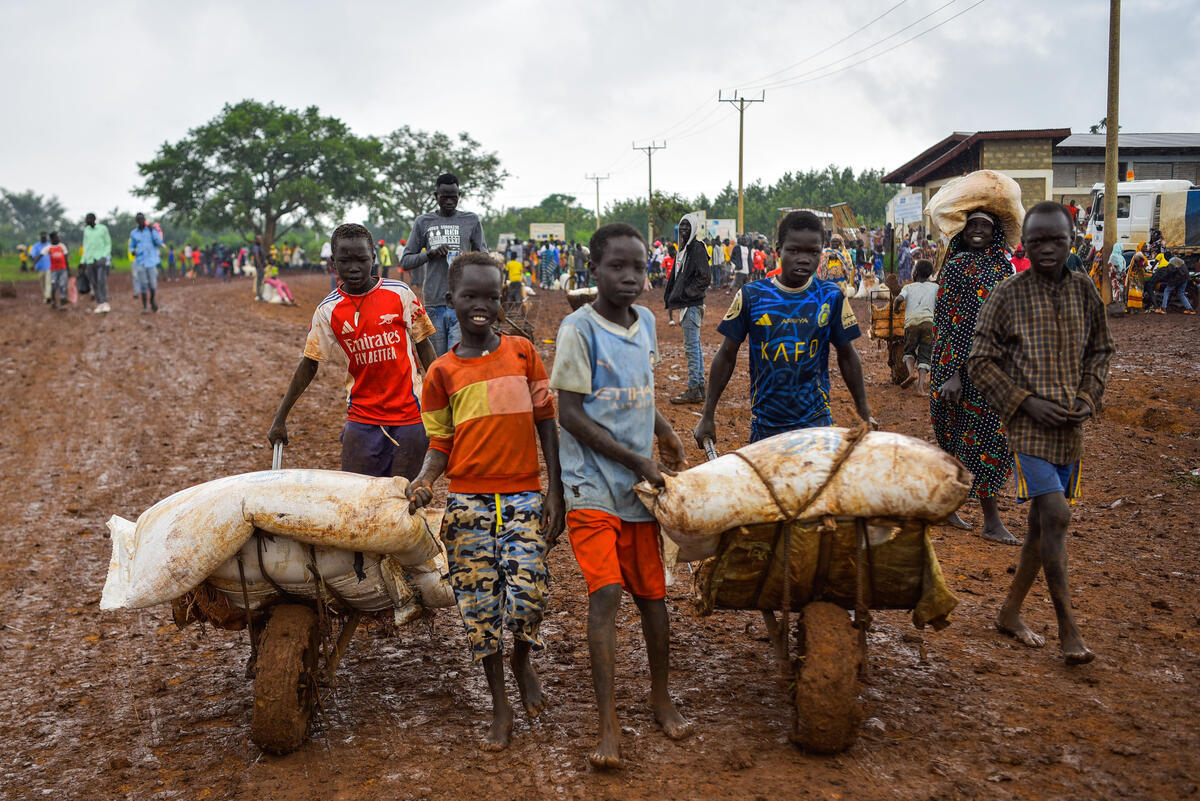
Ethiopia: Food distribution
Ethiopia: Food distribution for Sudanese refugees
© WFP/Michael Tewelde

According to WFP, more than 10 million people across the East African country are at risk of hunger and malnutrition, including three million who have been displaced by conflict and extreme weather conditions.

Malnutrition rates in Ethiopia are alarmingly high, with 4.4 million pregnant and lactating women and children in need of treatment. In parts of the Somali, Oromia, Tigray and Afar regions, child wasting has exceeded the emergency threshold of 15 percent.

Humanitarian needs in Ethiopia are compounded by conflicts in neighboring countries. Ethiopia is one of the largest refugee hosting countries in Africa, with over 1.075 million refugees and asylum seekers as of April 2025, mainly from South Sudan, Somalia and Eritrea.

Following the outbreak of war in Sudan in April 2023, Ethiopia has received over 70,000 forcibly displaced people from Sudan, while rising tensions in South Sudan have forced tens of thousands to flee across the border since February 2025.

WFP is already assisting 800,000 refugees in Ethiopia, including 100,000 Sudanese refugees, some of whom fled Sudan before war broke out two years ago. Escalating insecurity in northeastern South Sudan could push tens of thousands more refugees across the border.

Poor rainfall expected in southeastern Ethiopia through May threatens another drought in the Somali region as families are still reeling from the 2020-2023 drought. The severe drought, the longest in the country's modern history, intensified food and nutrition insecurity in eastern, northern and southern Ethiopia.

WFP said it provided food and nutrition assistance to more than three million people in the first quarter of 2025, with 80 percent of rations going to displaced and severely food insecure Ethiopians and 60 percent to up to one million refugees.

This year, WFP has also treated 740,000 children and pregnant or lactating women for malnutrition and provided 50,000 families with fresh food vouchers.

The UN agency warns that operations are now at a breaking point and without urgent new funding, 3.6 million of Ethiopia's most vulnerable people will lose access to life-saving food and nutrition assistance in the coming weeks. WFP will be forced to stop treating 650,000 malnourished women and children in May due to a lack of funding.

“What is particularly important now is that our nutritious foods are running out,” Zlatan Milisic, WFP Country Director in Ethiopia, told journalists in Geneva on Tuesday.

“So, we are stopping that program unless something comes really fast, and we are looking, and we are hopeful, but nothing has come yet.”

The humanitarian organization had planned to reach 2 million mothers and children with life-saving nutrition assistance in 2025.

WFP is also warning that if additional funding is not received and the number of people fleeing violence in South Sudan continues to rise, cash and in-kind food assistance for up to one million refugees will end in June.

The UN agency said that in Ethiopia, it faces a funding shortfall of $US 222 million between April and September 2025.

Milisic said the teams, logistics and capacity were in place, but what was lacking were the resources to act on the scale the crisis required. Donors were urged to step up their support to enable WFP to continue delivering life-saving assistance and prevent the humanitarian emergency from deteriorating further.

While the overall humanitarian situation in Ethiopia has improved significantly over the past two years, millions of Ethiopians remain displaced by conflict, insecurity and climate-related shocks such as droughts, floods and landslides, as well as other natural disasters such as earthquakes. Ethiopia faces multiple drivers of instability.

Years of drought and conflict have left millions of Ethiopians without enough to eat. In 2025, humanitarian needs remain significant, mainly due to ongoing conflicts, particularly in the Amhara and Oromia regions, as well as climate shocks and recurrent health emergencies such as malaria and cholera outbreaks.

As of mid-2024, an estimated 4.5 million people were still internally displaced in Ethiopia, while 3.3 million IDPs had returned to their areas of origin. The main causes of displacement were conflict, drought and other climate-related extreme weather events.

People in northern Ethiopia are still recovering from the two-year war that erupted in November 2020 and lasted until October 2022. Although peace returned to the regions in late 2022 with the signing of the Cessation of Hostilities Agreement (COHA) and improved humanitarian access to Tigray and neighboring Afar and Amhara regions, needs remain high due to two years of conflict.

Pervasive insecurity in the northeastern African country continues to hamper humanitarian access, particularly in parts of the Amhara and Oromia regions.

In Ethiopia's Amhara region, clashes continue between government forces and the regional Fano militia, which fought on the side of the government during the conflict in the Tigray region. The fighting between the federal government and the armed group was sparked in April 2023, when the government asked the militia to join the country's police or military following the Tigray peace agreement.

WFP said on Tuesday that the ongoing violence and insecurity in Amhara is disrupting its humanitarian operations and threatening its ability to reach more than half a million vulnerable people in the region. According to the UN agency, criminal activities such as car hijackings, threats and theft are on the rise, posing serious risks to the safety of staff and affecting the delivery of life-saving assistance.

Meanwhile, ongoing hostilities in western Oromia continue to displace civilians and affect humanitarian operations. Tensions and violence in the Oromia region have resulted in an alarming number of casualties and an extremely worrying overall situation.

Tags

  • Ethiopia
  • Hunger
  • Underfunded Emergency
  • Displacement

Latest news

  • US humanitarian aid: UN funds receive $2 billion contribution after extreme cuts of $10 billion
  • Somalia: 4.6 million people impacted by drought amid severe funding shortfalls
  • DR Congo: UN humanitarian chief releases funding for urgent response to large-scale displacement
  • Sudan war: UN Security Council urged to prevent horrors of conflict from recurring
  • Ukraine: Hostilities continue to cause civilian casualties and damage key infrastructure
  • Ethiopia: 1.1 million lives at risk as funds for refugees dry up
  • Gaza: Famine conditions offset, but situation remains critical
  • IRC: Sudan, OPT, and South Sudan top 2026 Emergency Watchlist
  • Deepening hunger crisis hits Afghanistan as winter sets in
  • Syria: Relief agencies deliver aid to southern areas despite severe funding shortfalls
  • Sudan war: Agreement reached to access famine-stricken El Fasher, aid teams report
  • DR Congo: Over 500,000 people displaced by South Kivu clashes
  • Myanmar: 16.2 million people will require humanitarian assistance in 2026
  • Central Emergency Response Fund: Donors pledge just $300 million for 2026
  • UN seeks $33 billion to save millions amidst deepest funding cuts ever
  • South and Southeast Asia: Deadly floods and landslides impact 11 million people
  • Central African Republic: Armed violence impacts civilians in the south-east
  • Northern Mozambique: More than 100,000 people newly displaced as violence spreads and support is lacking
  • Sri Lanka: Widespread flooding and landslides leave 390 people dead and 352 missing
  • Sudan crisis: Insecurity, displacement drive rising humanitarian needs
  • Gaza: Despite ceasefire, UN staff and facilities face grave risks
  • Lebanon ceasefire: One year on, Israeli attacks continue to kill civilians
  • DR Congo: Fighting and restrictions undermine humanitarian access in South Kivu
  • Northern Nigeria: Mounting attacks drive sharp spike in hunger
  • Sub-Saharan Africa: EU allocates €143 million in humanitarian aid
  • Ukraine: Drone strikes pose a growing risk to aid operations
  • Colombia: Ongoing conflict interrupts access to humanitarian assistance
  • Staggering numbers: 318 million people are expected to face acute hunger in 2026
  • Gaza: UN Security Council authorizes temporary international force
  • OCHA: Armed conflict is driving the world’s most severe hunger crises
  • Somalia: Drought and severe funding shortfalls compound humanitarian crisis
  • UN warns of deepening food crisis in 16 hunger hotspots
  • Sudan war: Catastrophic conditions persist in North Darfur as displacement surges
  • Hurricane Melissa affects over 5 million people across Jamaica, Cuba, and Haiti
  • DR Congo: Amid ongoing fighting and lack of funding for aid, hunger crisis worsens
  • South Sudan: Hunger and malnutrition intensify; tens of thousands face risk of famine
  • Madagascar faces deepening humanitarian crisis
  • Gaza: One million people receive food parcels as aid agencies race to push back hunger
  • Hurricane Melissa’s aftermath: Coordinated humanitarian response underway across the Caribbean
  • Sudan: More details emerge about mass atrocities in El Fasher as catastrophic situation persists
RSS feed
  • Humanitarian Emergencies
    • Sudan Crisis
    • Palestine Crisis
    • Myanmar Crisis
    • Crisis in the Democratic Republic of Congo
    • Haiti Crisis
    • Afghanistan Crisis
    • Ukraine Crisis
    • Yemen Crisis
    • South Sudan Crisis
    • Lebanon Crisis
    • Syria Crisis
    • Sahel Crisis
    • Mozambique Crisis
    • Somalia Crisis
    • Ethiopia Crisis
    • Central African Republic Crisis
    • Colombia Crisis
    • Burundi Crisis
    • Venezuela Crisis
    • Central America Crisis
    • Further Crises
  • Humanitarian News
    • All Headlines
    • News Monitor
    • Articles
      • Mental health in humanitarian emergencies
      • Millions will die because of brutal funding cuts
      • Why you should donate to humanitarian causes
      • Humanitarian aid and human rights
      • Climate change and humanitarian crises
      • The world's largest economies must do more
      • Earmarked or unearmarked donations
      • Why I donate to CERF
      • How to write to a Member of Congress or Member of Parliament
      • Humanitarian action is needed now
      • Thank you
      • Reputable donation organizations in the United States
  • Humanitarian Organizations
    • By Issue
      • Humanitarian Crisis Relief
      • Children in Need
      • Hunger and Food Insecurity
      • Refugees and IDPs
      • Medical Humanitarian Aid
      • Vulnerable Groups
      • Faith-Based Humanitarian Organizations
      • Related Issues
      • Human Rights Organizations
      • Climate Crisis and Climate Change
    • By Country
      • Humanitarian Organizations United States
      • Humanitarian Organizations United Kingdom
      • Humanitarian Organizations Canada
      • Humanitarian Organizations Australia
    • Directory
      • Aid Agencies Worldwide
      • Aid Agencies United States
      • Aid Agencies United Kingdom
      • Aid Agencies Canada
      • Aid Agencies Australia
  • Background
    • Key Players in Humanitarian Aid
    • Forgotten Crises
    • Where does your money go?
    • The Largest Humanitarian Donors
    • Websites for Experts and Professionals
    • Information for Journalists
    • Humanitarian Jobs
    • Glossary
    • Frequently Asked Questions (FAQs)
      • FAQs: Humanitarian Actors
      • FAQs: Humanitarian Aid
      • FAQs: Humanitarian Crises
      • FAQs: Humanitarian Funding
      • FAQs: International Humanitarian Law
  • Ways to Help
    • Start a Fundraiser
    • Volunteering in Humanitarian Aid
    • Hold Your Government to Account
    • Start a Petition or Sign a Petition
    • Sponsor a Child
  • About DONARE
    • Welcome to DONARE
    • Principles and guidelines
    • FAQs about DONARE
    • Donare: Meaning and Origin
    • Archive
    • Content
    • Tags and Topics
      • Tags
      • Topics
    • Support Us
    • Contact
DONARE logo

donare.info : Privacy Policy - Legal Notice

© 2022-2025 DONARE